

Homemade stuffing is the heart and soul of holiday meals, bringing warmth and comfort to tables across the country. Whether you call it stuffing or dressing, this beloved side dish transforms simple bread cubes into a savory masterpiece that perfectly complements turkey, chicken, or any festive main course. This comprehensive guide will walk you through creating the perfect homemade stuffing that will have your guests asking for seconds.
What Makes the Best Homemade Stuffing?
The secret to exceptional homemade stuffing lies in the balance of textures and flavors. The best stuffing features crispy, golden edges with a moist, flavorful interior. Quality ingredients, proper bread preparation, and the right ratio of liquid to bread create that perfect combination everyone craves.
Essential Ingredients for Homemade Stuffing
The Bread Base
The foundation of any great stuffing starts with the right bread. Day-old bread works best because it absorbs the flavorful liquid without becoming mushy. White bread, sourdough, French bread, or cornbread all make excellent choices. For optimal texture, cut your bread into half-inch cubes and let them dry out overnight, or toast them in a 300°F oven for 15 minutes.
Aromatic Vegetables
Classic stuffing relies on a simple yet flavorful combination of sautéed vegetables. Celery and onions form the traditional base, providing both crunch and sweetness. These aromatics are typically cooked in butter until softened, creating a fragrant foundation for your stuffing.
Herbs and Seasonings
Fresh or dried herbs bring stuffing to life. Sage, thyme, rosemary, and parsley are traditional choices that complement poultry beautifully. Don’t be shy with seasoning—salt and black pepper are essential for bringing out all the flavors.
Liquid Components
Chicken broth or vegetable stock moistens the bread and infuses it with savory flavor. Some recipes include eggs to help bind the ingredients together, creating a more cohesive texture.
How to Make Classic Homemade Stuffing
Step 1: Prepare the Bread
Cut your bread into cubes and allow it to dry completely. Stale bread is your friend here—it prevents soggy stuffing. Spread the cubes on baking sheets and either leave them out overnight or dry them in a low oven.
Step 2: Sauté the Aromatics
Melt butter in a large skillet over medium heat. Add diced onions and celery, cooking until tender and fragrant, about 8-10 minutes. Add minced garlic and herbs during the last minute of cooking.
Step 3: Combine Ingredients
Place the dried bread cubes in a large mixing bowl. Pour the sautéed vegetables over the bread, then gradually add warm broth while gently tossing. The bread should be moist but not soaked. If using eggs, whisk them with some broth before adding.
Step 4: Bake to Perfection
Transfer the mixture to a buttered baking dish. Cover with foil and bake at 350°F for 30 minutes, then remove the foil and continue baking for 15-20 minutes until the top is golden and crispy.
Tips for Perfect Homemade Stuffing Every Time
Don’t Skip Drying the Bread: Fresh bread creates mushy stuffing. Always use day-old or dried bread cubes for the best texture.
Taste and Adjust Seasoning: Before baking, taste your mixture and adjust the salt, pepper, and herbs as needed. Remember that flavors will concentrate during baking.
Control the Moisture Level: Add broth gradually. You can always add more, but you can’t take it away. The mixture should be moist but not soggy.
Create Texture Contrast: For extra crunch, dot the top with butter before the final uncovered baking time.
Delicious Stuffing Variations
Sausage Stuffing
Brown Italian sausage and mix it into your bread cubes for a heartier, more flavorful dish. The rendered fat adds richness that’s hard to resist.
Cranberry Pecan Stuffing
Fold in dried cranberries and toasted pecans for a sweet and nutty variation that’s perfect for Thanksgiving.
Apple and Herb Stuffing
Dice fresh apples and add them to the mix along with extra sage for a fall-inspired twist.
Mushroom Stuffing
Sauté mixed mushrooms with the onions and celery for an earthy, umami-rich version.
Make-Ahead Homemade Stuffing
One of the best things about stuffing is that you can prepare it in advance. Assemble the stuffing completely, cover tightly, and refrigerate for up to 24 hours before baking. Add an extra 10-15 minutes to the covered baking time if baking straight from the refrigerator.
Storing and Reheating Leftover Stuffing
Store leftover stuffing in an airtight container in the refrigerator for up to four days. To reheat, place it in a covered baking dish with a splash of broth and warm in a 350°F oven until heated through. You can also reheat individual portions in the microwave.
Frequently Asked Questions
Can I bake stuffing inside the turkey? While traditional, food safety experts recommend baking stuffing separately. It ensures the stuffing reaches a safe temperature and allows for better texture control.
How do I make my stuffing crispy on top? Bake uncovered for the final 15-20 minutes and brush the top with melted butter before this final baking stage.
Can I make stuffing without eggs? Absolutely. Eggs help bind ingredients but aren’t essential. Simply use enough broth to moisten the bread adequately.
What’s the difference between stuffing and dressing? The terms are often used interchangeably, though technically stuffing is cooked inside the bird while dressing is baked separately in a dish.
Why Homemade Stuffing Beats Store-Bought
Making stuffing from scratch gives you complete control over ingredients, flavors, and texture. You can avoid preservatives, adjust seasonings to your taste, and create something truly special that brings people together around the table. The aroma of homemade stuffing baking in the oven is an irreplaceable part of the holiday experience.
Whether you’re preparing Thanksgiving dinner, hosting a Sunday roast, or simply craving comfort food, this homemade stuffing recipe delivers every time. With simple ingredients and straightforward techniques, you’ll create a side dish that steals the show and becomes a requested favorite for years to come.
Start with quality ingredients, don’t rush the process, and most importantly, make it your own. Homemade stuffing is more than just a recipe—it’s a tradition that brings warmth and delicious memories to every meal.
Related posts:
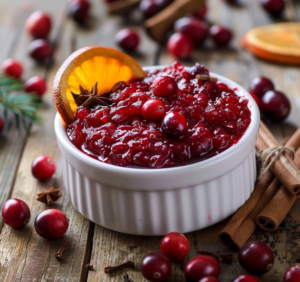 Homemade Cranberry Sauce Recipe: The Perfect Holiday Side Dish
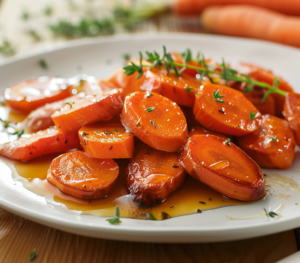 Glazed Carrots Recipe: The Perfect Sweet And Savory Side Dish
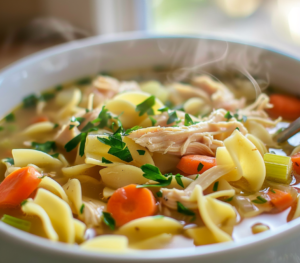 Homemade Chicken Noodle Soup Recipe: Classic Comfort Food Made Easy
 French Apple Cider Chicken Recipe: A Classic Normandy Dish (Poulet à La Normande)
 Deep-Dish Pizza Pie Recipe: The Ultimate Chicago-Style Classic
 Authentic Chicken Tikka Masala Recipe: The Ultimate Guide To Making This Classic Dish At Home