

Potato gratin, also known as gratin dauphinois, is the ultimate comfort food that transforms humble potatoes into an elegant, restaurant-quality side dish. With its layers of thinly sliced potatoes bathed in cream and topped with golden, bubbling cheese, this classic French dish elevates any meal from ordinary to extraordinary. Whether you’re planning a holiday feast or a cozy dinner party, mastering this potato gratin recipe will make you the star of every gathering.
What is Potato Gratin?
Potato gratin is a classic French dish featuring thinly sliced potatoes baked in cream until tender, with a golden, crispy top. The term “gratin” refers to any dish with a browned crust, typically formed by cheese or breadcrumbs. Traditional gratin dauphinois uses only potatoes, cream, and garlic, while variations add cheese for extra richness and flavor.
Why This Potato Gratin Recipe Works
The secret to an exceptional potato gratin lies in the technique. Slicing potatoes to uniform thickness ensures even cooking, while the right ratio of cream to potatoes creates that perfect creamy texture without being soupy. Layering the potatoes properly and baking at the correct temperature produces tender potatoes with a beautifully caramelized top that’s absolutely irresistible.
Essential Ingredients for Potato Gratin
Potatoes
The foundation of any great gratin starts with the right potatoes. Yukon Gold potatoes are ideal because they hold their shape while becoming tender and creamy. Russet potatoes work well too, though they’re slightly more starchy. Avoid waxy potatoes like red potatoes, which don’t absorb the cream as well.
Cream and Milk
Heavy cream creates the richest, most luxurious gratin, but you can use a combination of heavy cream and whole milk for a lighter version. The dairy not only adds richness but also helps the potatoes cook evenly.
Cheese
While traditional gratin dauphinois doesn’t include cheese, most modern versions do. Gruyère cheese is the classic choice, offering a nutty, slightly sweet flavor that melts beautifully. Parmesan adds a sharp, salty note, while cheddar provides familiar comfort. A combination of cheeses often yields the best results.
Aromatics and Seasonings
Fresh garlic is essential for authentic flavor. Rubbing the baking dish with a cut garlic clove and adding minced garlic to the cream infuses the dish with aromatic depth. Fresh thyme, nutmeg, salt, and white pepper complete the seasoning profile.
How to Make the Best Potato Gratin
Step 1: Prepare Your Ingredients
Preheat your oven to 375°F. Peel the potatoes and slice them into uniform rounds, about 1/8-inch thick. A mandoline makes this task quick and ensures even slicing. Don’t rinse the sliced potatoes—the starch helps thicken the cream and bind the layers together.
Step 2: Prepare the Baking Dish
Rub the inside of a baking dish with a cut garlic clove, then butter it generously. This prevents sticking and adds flavor to the bottom layer of potatoes.
Step 3: Make the Cream Mixture
In a saucepan, gently warm the cream with minced garlic, thyme, salt, pepper, and a pinch of nutmeg. Don’t let it boil—you want to infuse the flavors gently. Remove from heat and let it steep for a few minutes.
Step 4: Layer the Potatoes
Arrange overlapping potato slices in the prepared dish, seasoning each layer lightly with salt and pepper. If using cheese, sprinkle some between layers. Pour the infused cream over the potatoes, making sure it reaches all the layers. The cream should come about three-quarters of the way up the potatoes.
Step 5: Add the Cheese Topping
Generously cover the top layer with shredded Gruyère or your cheese of choice. This creates that golden, bubbling crust everyone loves.
Step 6: Bake to Golden Perfection
Cover the dish with aluminum foil and bake for 45 minutes. Remove the foil and continue baking for another 30-40 minutes until the top is golden brown and the potatoes are fork-tender. Let the gratin rest for 10-15 minutes before serving to allow the cream to set.
Expert Tips for Perfect Potato Gratin
Slice Uniformly: Consistent thickness is crucial for even cooking. A mandoline is worth the investment for this recipe.
Don’t Skip the Resting Time: Letting the gratin rest after baking allows the cream to thicken and makes serving much easier.
Use Room Temperature Cream: Cold cream can shock the potatoes and affect cooking time. Warm or room temperature cream absorbs better.
Layer with Care: Overlapping the potato slices in a shingle pattern creates the classic gratin appearance and ensures every bite has the perfect texture.
Test for Doneness: Insert a knife into the center of the gratin. It should slide through the potatoes easily with no resistance.
Delicious Potato Gratin Variations
Classic Gratin Dauphinois
Keep it simple with just potatoes, cream, and garlic for an authentic French experience that lets the potatoes shine.
Cheesy Potato Gratin
Layer in a combination of Gruyère, Parmesan, and sharp cheddar for an ultra-cheesy version that’s pure comfort food.
Herb Potato Gratin
Add fresh rosemary, thyme, or sage between the layers for an aromatic twist that pairs beautifully with roasted meats.
Garlic and Parmesan Gratin
Increase the garlic and use primarily Parmesan cheese for a bold, savory flavor profile.
Sweet Potato Gratin
Substitute half the potatoes with thinly sliced sweet potatoes for a colorful, slightly sweet variation.
Make-Ahead Potato Gratin
Potato gratin is an excellent make-ahead dish, perfect for entertaining. Assemble the gratin completely, cover tightly with plastic wrap and foil, and refrigerate for up to 24 hours. When ready to bake, remove it from the refrigerator 30 minutes before baking, then add 10-15 extra minutes to the covered baking time.
You can also fully bake the gratin, let it cool, and refrigerate. Reheat covered at 350°F for 25-30 minutes until warmed through.
What to Serve with Potato Gratin
Potato gratin is a versatile side dish that pairs beautifully with many main courses. It’s a classic accompaniment to roasted chicken, beef tenderloin, lamb chops, or prime rib. The creamy richness balances perfectly with roasted vegetables or a crisp green salad. For holidays, it’s a must-have alongside turkey or ham.
Storing and Reheating Leftover Gratin
Store leftover potato gratin in an airtight container in the refrigerator for up to four days. To reheat, place portions in a baking dish, cover with foil, and warm in a 350°F oven for 15-20 minutes. Add a splash of cream if the gratin seems dry. You can also reheat individual servings in the microwave, though the oven preserves the texture better.
Common Potato Gratin Mistakes to Avoid
Slicing Too Thick: Thick potato slices won’t cook through properly and result in an undercooked gratin.
Using Too Much Liquid: The cream should come three-quarters up the potatoes, not cover them completely, or the gratin will be soupy.
Baking at Too High Temperature: High heat can cause the cream to separate. Moderate heat ensures even cooking and smooth, creamy results.
Not Seasoning Between Layers: Each layer needs seasoning for balanced flavor throughout the dish.
Frequently Asked Questions
Can I make potato gratin without cream? Yes, you can use whole milk or a combination of milk and butter, though the result will be less rich. For a lighter version, try half-and-half.
Why is my potato gratin watery? This usually happens from using too much liquid or not baking long enough. Make sure the cream is properly absorbed and let the gratin rest before serving.
Can I freeze potato gratin? While possible, freezing affects the texture of the potatoes and cream. If you must freeze it, undercook slightly, cool completely, wrap tightly, and freeze for up to two months. Thaw overnight in the refrigerator before reheating.
Do I need to peel the potatoes? Peeling is recommended for the smoothest, most elegant texture, though leaving thin-skinned potatoes unpeeled adds rustic charm and extra nutrients.
What’s the difference between potato gratin and scalloped potatoes? The terms are often used interchangeably, though traditionally scalloped potatoes use a white sauce while gratin uses cream and cheese. Both feature thinly sliced, layered potatoes.
Why Homemade Potato Gratin is Worth the Effort
While potato gratin requires some time and attention, the results are absolutely worth it. The combination of tender potatoes, rich cream, and golden cheese creates a dish that’s greater than the sum of its parts. It’s elegant enough for special occasions yet comforting enough for family dinners.
Making potato gratin from scratch allows you to control the quality of ingredients and customize flavors to your liking. The aroma filling your kitchen as it bakes is unbeatable, and watching that cheese bubble and brown to perfection is deeply satisfying.
This potato gratin recipe is destined to become a staple in your cooking repertoire. Once you master the technique, you’ll find yourself making it for every special occasion and whenever you want to treat yourself to something truly delicious. Rich, creamy, and absolutely irresistible, it’s comfort food at its finest.
Related posts:
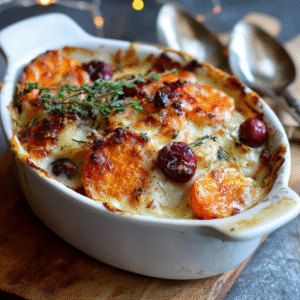 Sweet Potato & Cranberry Gratin: An Elegant Holiday Side Dish
 Cheesy French Onion Meatballs: The Ultimate Comfort Food Recipe
 Irresistible Stuffing Recipe – Alright With Me
 Crack Burgers Recipe – Juicy, Cheesy, And Totally Addictive
 Cheesy Hamburger Rice Casserole – Easy, Creamy & Family-Friendly Recipe
 Smothered Cheesy Sour Cream Chicken – Creamy Baked Chicken Recipe