
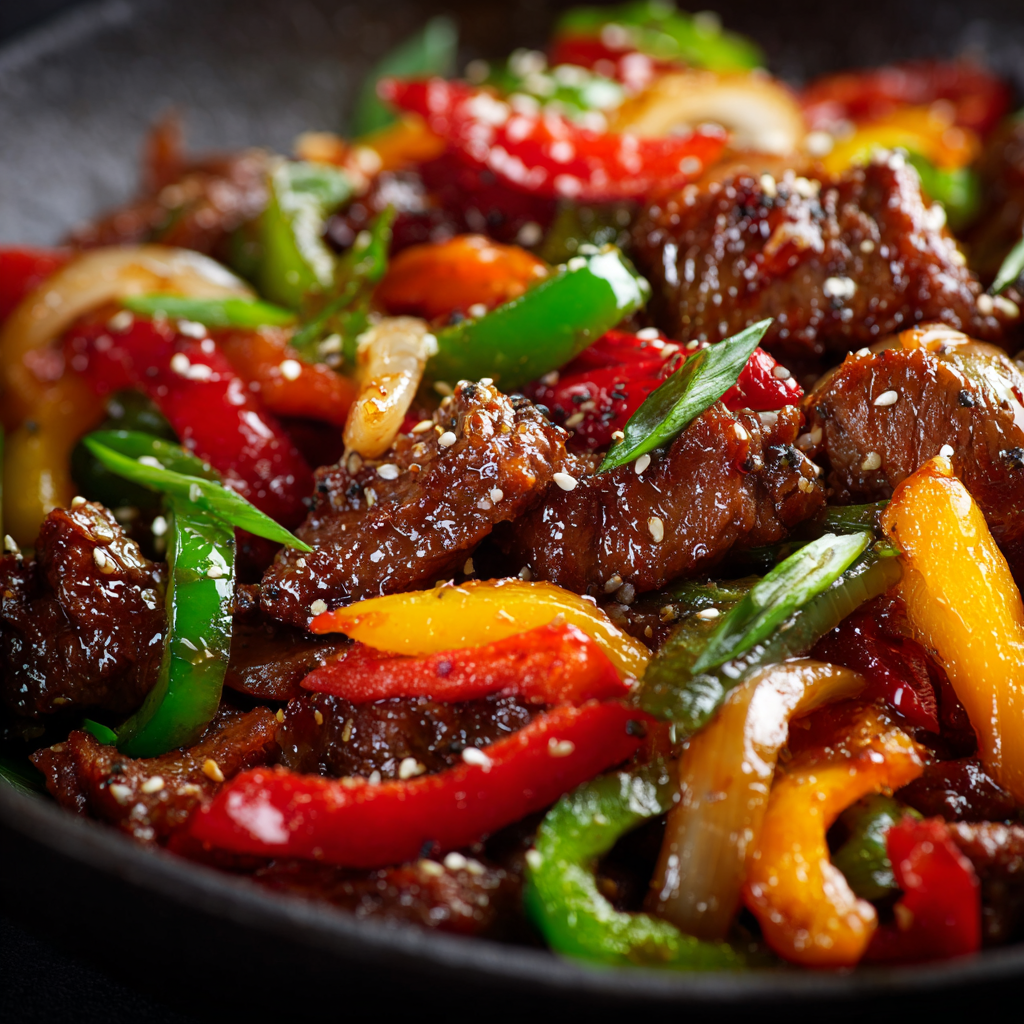

When you’re craving the bold flavors of your favorite Chinese takeout but want a healthier, homemade version, pepper steak with bell peppers and onion is the answer. This classic stir fry dish combines tender strips of beef with colorful bell peppers and sweet onions, all coated in a savory Asian-inspired sauce. Best of all, this one-pan wonder takes just 30 minutes from start to finish, making it perfect for busy weeknights when you need dinner on the table fast.
What is Pepper Steak?
Despite its name, pepper steak doesn’t get its name from black pepper—it refers to the vibrant bell peppers that give this dish its signature color and flavor. This Chinese-American classic features thinly sliced beef stir-fried with bell peppers and onions in a rich, savory sauce typically made with soy sauce, garlic, and ginger. The result is a restaurant-quality meal that rivals any takeout, with tender meat, crisp-tender vegetables, and a glossy sauce that clings perfectly to every bite.
Why You’ll Love This Pepper Steak Recipe
Quick and Easy: Ready in under 30 minutes with minimal prep work One-Pan Meal: Everything cooks in a single skillet or wok for easy cleanup Budget-Friendly: Uses affordable cuts of beef that turn out tender and delicious Customizable: Easily adapt the vegetables, spice level, and sauce to your preferences Healthier Than Takeout: Control the ingredients and sodium levels Meal Prep Friendly: Makes excellent leftovers that reheat beautifully
Essential Ingredients
For the Beef and Marinade:
- 1-1.5 lbs flank steak, sirloin, or top round, thinly sliced against the grain
- 2 tablespoons soy sauce (or tamari for gluten-free)
- 1 tablespoon cornstarch
- 1 teaspoon sesame oil
- 1/2 teaspoon sugar
For the Vegetables:
- 2-3 bell peppers (mix of red, green, and yellow for best color and flavor)
- 1 large yellow onion
- 3-4 cloves garlic, minced
- 1 tablespoon fresh ginger, grated or minced
- 2 green onions, sliced (for garnish)
For the Stir Fry Sauce:
- 1/4 cup soy sauce
- 1/4 cup beef broth or water
- 2 tablespoons oyster sauce
- 1 tablespoon rice vinegar or rice wine
- 1 tablespoon brown sugar or honey
- 1 tablespoon cornstarch
- 1 teaspoon sesame oil
- 1/2 teaspoon black pepper
- Optional: 1/4 teaspoon red pepper flakes for heat
For Cooking:
- 2-3 tablespoons vegetable oil or avocado oil
- Sesame seeds for garnish (optional)
Step-by-Step Instructions
Preparing the Beef
Step 1: Slice the Meat The key to tender pepper steak is slicing the beef as thin as possible against the grain. Place the beef in the freezer for 15-20 minutes to firm it up slightly—this makes slicing much easier. Using a sharp knife, cut the beef into strips no more than 1/4 inch thick. Cutting against the grain breaks down the muscle fibers, resulting in more tender meat.
Step 2: Marinate the Beef In a bowl, combine the sliced beef with soy sauce, cornstarch, sesame oil, and sugar. Toss to coat evenly and let marinate for 20-30 minutes at room temperature, or up to 24 hours in the refrigerator for maximum flavor and tenderness. The cornstarch creates a protective coating that helps the beef stay juicy and adds body to the sauce later.
Making the Sauce
Step 3: Prepare the Stir Fry Sauce In a small bowl, whisk together soy sauce, beef broth, oyster sauce, rice vinegar, brown sugar, cornstarch, sesame oil, and black pepper. Set aside. Having your sauce ready before you start cooking is essential since stir frying moves quickly.
Cooking the Pepper Steak
Step 4: Prep Your Vegetables Slice the bell peppers and onion into thin strips, roughly the same size as your beef strips. This ensures even cooking. Mince the garlic and grate the ginger. Have everything within arm’s reach—stir frying is a fast process.
Step 5: Stir Fry the Vegetables Heat 1 tablespoon of oil in a large wok or skillet over high heat until shimmering. Add the bell peppers and onion and stir fry for 3-5 minutes until they’re tender-crisp with slight charring in spots. They should retain some crunch. Remove the vegetables from the pan and set aside.
Step 6: Sear the Beef Add another tablespoon of oil to the hot pan. Working in batches to avoid overcrowding, add the marinated beef in a single layer. Let it sear undisturbed for 1 minute to develop a nice crust, then flip and cook for another minute. Remove the beef and set aside with the vegetables. Repeat with remaining beef, adding more oil as needed.
Step 7: Build the Aromatics Add the minced garlic and grated ginger to the pan and stir fry for 30-60 seconds until fragrant. Be careful not to burn them.
Step 8: Bring It All Together Give your sauce a quick stir to recombine the cornstarch, then pour it into the pan. Bring to a boil, stirring constantly. The sauce will begin to thicken within 1-2 minutes. Return the cooked beef, peppers, and onions to the pan. Toss everything together until evenly coated and heated through, about 1-2 minutes.
Step 9: Serve Remove from heat immediately to prevent overcooking. Garnish with sliced green onions and sesame seeds if desired. Serve hot over steamed white rice, brown rice, cauliflower rice, or noodles.
Pro Tips for Perfect Pepper Steak
1. Choose the Right Cut of Beef Flank steak, top round, and sirloin are all excellent choices for pepper steak. These affordable cuts become tender when sliced thin and cooked quickly over high heat. Avoid expensive cuts like ribeye or tenderloin—you don’t need them for this dish.
2. Master the Slice Always slice beef against the grain for maximum tenderness. Look for the direction of the muscle fibers and cut perpendicular to them. The thinner you slice, the more tender your beef will be.
3. Don’t Skip the Marinade Even a 20-minute marinade makes a noticeable difference in both flavor and texture. The soy sauce adds saltiness, the sugar balances it with sweetness, and the cornstarch creates a velvety coating that protects the meat from overcooking.
4. Use High Heat Cooking over high heat allows vegetables to develop charred spots and caramelize while staying crisp. This is the essence of good stir frying—hot, fast cooking that seals in flavor.
5. Don’t Overcrowd the Pan Cook beef in batches if necessary. Overcrowding causes the meat to steam rather than sear, resulting in gray, tough beef instead of caramelized, tender strips.
6. Use a Wok If Possible A wok yields perfectly cooked meat and vegetables in no time. The high, sloped sides and concentrated heat at the bottom are ideal for stir frying. If you don’t have a wok, a large cast iron skillet is your next best option. Avoid non-stick pans for stir frying—they don’t get hot enough.
7. Work Quickly Stir frying is a fast-cooking method that requires your full attention. Have all your ingredients prepped and ready before you turn on the heat. This style of cooking, called “mise en place,” is essential for stir fry success.
8. Mix Up the Peppers Using different colored bell peppers results in more flavorful meat and is visually appealing. Red peppers are sweetest, green peppers have a slightly bitter note, and yellow/orange peppers fall somewhere in between. The variety adds complexity to the dish.
Variations and Customizations
Protein Alternatives
- Chicken Pepper Steak: Substitute thinly sliced chicken breast or thighs
- Pork Version: Use pork loin or tenderloin cut into thin strips
- Vegetarian: Replace beef with tofu, tempeh, or portobello mushroom slices
Spice It Up
- Add sliced jalapeños or Thai chilies with the peppers
- Include 1-2 teaspoons of chili paste or sriracha in the sauce
- Sprinkle red pepper flakes over the finished dish
Extra Vegetables
- Broccoli florets
- Snap peas or snow peas
- Sliced carrots
- Baby corn
- Water chestnuts for crunch
- Bean sprouts added at the end
Sauce Modifications
- Less Sodium: Use low-sodium soy sauce and reduce oyster sauce
- Sweeter: Increase brown sugar or add a tablespoon of honey
- Tangier: Add an extra splash of rice vinegar
- Thicker Sauce: Mix an additional teaspoon of cornstarch with water and stir in
Serving Suggestions
Pepper steak is traditionally served over steamed white rice, but there are many delicious options:
Grain Bases:
- White rice: Classic and neutral, perfect for soaking up sauce
- Brown rice: Adds nutty flavor and extra fiber
- Cauliflower rice: Low-carb alternative that’s equally delicious
- Fried rice: Turn it into a more substantial meal
- Quinoa: Protein-packed and nutritious
- Rice noodles or lo mein: For a noodle-based meal
Side Dishes:
- Egg drop soup or hot and sour soup
- Spring rolls or egg rolls
- Steamed edamame
- Asian cucumber salad
- Stir-fried bok choy or baby bok choy
- Garlic green beans
Creative Serving Ideas:
- Wrap in flour tortillas with cheese and sour cream for fusion tacos
- Serve over crispy chow mein noodles
- Use as filling for lettuce wraps
- Top a salad for a lighter option
Storage and Reheating
Refrigeration: Store leftover pepper steak in an airtight container in the refrigerator for up to 3-4 days. Store rice separately for best results.
Freezing: Pepper steak freezes well for up to 2-3 months. Note that bell peppers may soften slightly after freezing and reheating, but the flavor remains excellent. Slightly undercooking vegetables before freezing helps prevent them from becoming mushy when reheated.
Reheating Methods:
- Stovetop (best method): Heat a splash of oil in a skillet over medium heat. Add leftovers and stir fry for 2-3 minutes until heated through. This method helps restore some crispness to the vegetables.
- Microwave: Place in a microwave-safe dish, cover loosely, and heat in 30-45 second intervals, stirring between bursts.
- Oven: Spread in a baking dish and reheat at 350°F for 10-15 minutes.
Frequently Asked Questions
Can I make this ahead of time? Yes! You can slice the beef, chop vegetables, and mix the marinade up to 24 hours ahead. Store components separately in the refrigerator, then stir fry when ready to eat. The cooked dish also reheats well, making it excellent for meal prep.
What if I don’t have oyster sauce? Oyster sauce adds umami depth, but you can substitute with hoisin sauce, additional soy sauce, or a combination of soy sauce and a little Worcestershire sauce.
How do I make it gluten-free? Use tamari instead of soy sauce and ensure your oyster sauce and rice wine are labeled gluten-free. Check all sauce labels as some contain wheat.
Why is my beef tough? The most common reasons are: not slicing against the grain, slicing too thick, or overcooking. Follow the slicing tips and cook quickly over high heat for best results.
Can I use frozen bell peppers? Fresh peppers work best for maintaining that crisp-tender texture, but in a pinch, frozen peppers will work. Just be aware they’ll release more water and won’t have quite the same crunch.
Nutritional Information
One serving of pepper steak (approximately 1.5 cups) over rice contains roughly:
- Calories: 350-400 (without rice)
- Protein: 30-35g
- Carbohydrates: 15-20g
- Fat: 12-15g
- Fiber: 3-4g
Pepper steak is relatively high in protein and packed with vitamins A and C from the bell peppers. By controlling the sodium in your sauce, you can make this dish much healthier than restaurant versions.
Why This Recipe Works
The success of pepper steak lies in understanding stir fry fundamentals. High heat creates caramelization on both the meat and vegetables, developing complex flavors in minutes. The cornstarch marinade creates a protective coating that keeps beef tender while adding body to the sauce. The combination of soy sauce, oyster sauce, and aromatics like garlic and ginger provides authentic Asian flavor, while the touch of sweetness balances the saltiness perfectly.
The vegetables maintain their crisp texture because they’re cooked quickly and not overdone. The sauce, thickened with cornstarch, coats everything evenly without being gloppy or overwhelming. Every component works together to create a harmonious dish that’s greater than the sum of its parts.
Final Thoughts
Pepper steak with bell peppers and onion proves that impressive, flavorful dinners don’t have to be complicated or time-consuming. With just 30 minutes and one pan, you can create a restaurant-quality meal that’s healthier and more economical than takeout. The combination of tender beef, crisp vegetables, and savory sauce over rice is universally appealing and endlessly customizable.
Whether you’re new to stir frying or a seasoned home cook, this recipe is forgiving and adaptable. Master the basic technique, and you’ll have a reliable weeknight dinner that never gets boring. So fire up your wok, slice that beef thin, and get ready to enjoy one of the most satisfying dishes in the Chinese-American repertoire.
Prep Time: 15 minutes (plus 20 minutes marinating)
Cook Time: 15 minutes
Total Time: 30 minutes
Servings: 4
Difficulty: Easy
Related posts:
 Sour Cream And Onion Chicken: Your New Favorite Easy Dinner Recipe
 Wingstop Lemon Pepper Wings Recipe
 Steak Queso Rice: A Flavorful Recipe
 Cheesy French Onion Meatballs: The Ultimate Comfort Food Recipe
 Savory Chicken And Bell Pepper Burritos With Creamy Ranch
 Deep-Dish Pizza Pie Recipe: The Ultimate Chicago-Style Classic