
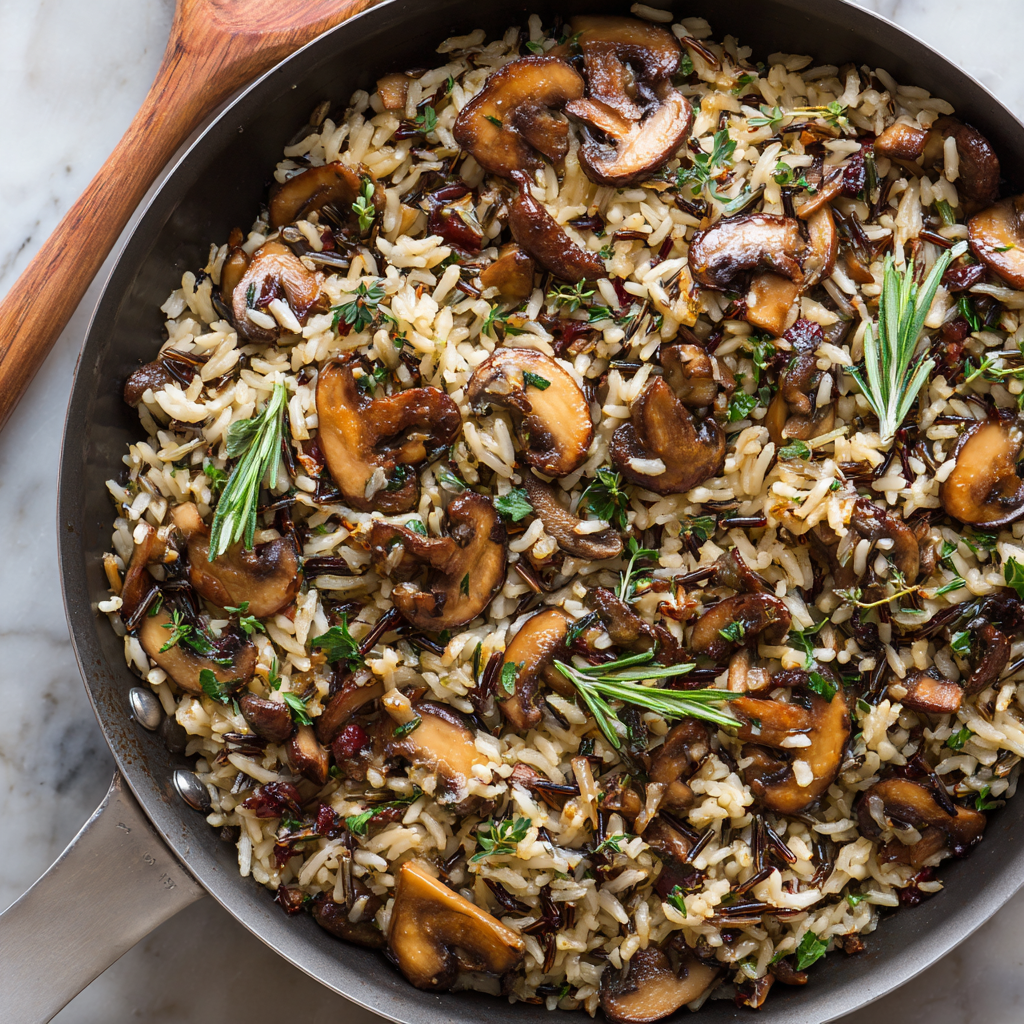

Mushroom and Wild Rice Pilaf: A Hearty and Flavorful Side Dish
Introduction
Mushroom and Wild Rice Pilaf is an elegant, earthy side dish that combines nutty wild rice with savory mushrooms, aromatic herbs, and vegetables. This wholesome pilaf recipe transforms simple ingredients into a sophisticated accompaniment perfect for holiday dinners, special occasions, or weeknight meals. With its rich, complex flavors and satisfying texture, this wild rice and mushroom dish is both nutritious and delicious, making it a favorite among vegetarians and meat-eaters alike.
What is Wild Rice Pilaf?
Wild rice pilaf is a grain-based side dish that combines wild rice with aromatic vegetables, herbs, and seasonings, often cooked in flavorful broth. Despite its name, wild rice is actually a semi-aquatic grass seed native to North America, prized for its distinctive nutty flavor, chewy texture, and impressive nutritional profile. When paired with earthy mushrooms, the result is a deeply satisfying dish that’s both rustic and refined.
Why You’ll Love This Recipe
This mushroom wild rice pilaf stands out for many reasons:
- Complex flavors: Earthy mushrooms complement the nutty wild rice perfectly
- Nutritious: Packed with fiber, protein, and essential minerals
- Versatile: Works as a side dish or vegetarian main course
- Make-ahead friendly: Can be prepared in advance and reheated
- Impressive presentation: Looks elegant enough for special occasions
- Dietary friendly: Naturally gluten-free and easily made vegan
Ingredients for Mushroom and Wild Rice Pilaf
Main Ingredients
- Wild rice (1 cup) – Or wild rice blend for varied texture
- Mixed mushrooms (12 oz) – Cremini, shiitake, and oyster work beautifully
- Vegetable or chicken broth (3 cups) – Adds depth of flavor
- Onion (1 medium, diced) – Yellow or white onion
- Garlic (3 cloves, minced) – Fresh garlic is essential
- Celery (2 stalks, diced) – Adds aromatic base
- Carrots (1 medium, diced) – For subtle sweetness
- Butter or olive oil (3 tablespoons) – For sautéing
- Fresh thyme (2 teaspoons) – Or 1 teaspoon dried
- Bay leaves (2) – For aromatic depth
- Salt and pepper – To taste
Optional Add-Ins
- Toasted pecans or almonds
- Dried cranberries or cherries
- Fresh parsley for garnish
- Shallots instead of onions
- White wine for deglazing
- Parmesan cheese (for non-vegan version)
How to Make Mushroom and Wild Rice Pilaf
Step-by-Step Instructions
Step 1: Rinse the Wild Rice Place wild rice in a fine-mesh strainer and rinse thoroughly under cold water. This removes any debris and excess starch. Drain well.
Step 2: Prepare the Vegetables Dice onion, celery, and carrots into small, uniform pieces. Slice mushrooms into quarters or thick slices. Mince garlic finely.
Step 3: Sauté the Aromatics In a large, heavy-bottomed pot or Dutch oven, melt butter (or heat olive oil) over medium heat. Add diced onion, celery, and carrots. Sauté for 5-7 minutes until vegetables soften and onion becomes translucent. Add minced garlic and cook for 1 minute until fragrant.
Step 4: Cook the Mushrooms Add sliced mushrooms to the pot. Cook for 6-8 minutes, stirring occasionally, until mushrooms release their moisture and begin to brown. The mushrooms should reduce in volume and develop a golden color.
Step 5: Toast the Rice Add the rinsed wild rice to the pot. Stir to coat with the butter and vegetable mixture. Toast for 2-3 minutes, stirring frequently. This enhances the nutty flavor of the rice.
Step 6: Add Liquid and Herbs Pour in the broth and add fresh thyme and bay leaves. Stir to combine. Increase heat and bring to a boil.
Step 7: Simmer Once boiling, reduce heat to low, cover the pot with a tight-fitting lid, and simmer for 45-55 minutes. Wild rice is done when most grains have “butterflied” (split open) and are tender with a slight chew. Some grains may remain closed, which is normal.
Step 8: Rest and Fluff Remove pot from heat and let stand, covered, for 10 minutes. This allows the rice to absorb any remaining liquid. Remove bay leaves, then fluff the pilaf with a fork.
Step 9: Season and Garnish Taste and adjust seasoning with salt and pepper. Fold in any optional add-ins like toasted nuts or dried fruit. Garnish with fresh parsley and serve warm.
Expert Tips for Perfect Pilaf
Rice Cooking Tips
- Check liquid ratio: Wild rice typically needs 3:1 liquid to rice ratio
- Don’t peek: Keep the lid on during cooking to maintain steam
- Test for doneness: Wild rice should be tender but still have bite
- Blend varieties: Mix wild rice with brown or white rice for varied texture
Mushroom Tips
- Use variety: Combining different mushroom types creates depth
- Don’t crowd: Cook mushrooms in batches if needed for proper browning
- High heat: Mushrooms need heat to caramelize, not steam
- Save stems: Shiitake stems can flavor broth (strain before using)
Flavor Enhancement Tips
- Toast nuts: Brings out oils and intensifies flavor
- Deglaze: Add splash of white wine after mushrooms for complexity
- Fresh herbs: Add woody herbs early, delicate herbs at the end
- Butter finish: Stir in butter at the end for rich, glossy finish
Delicious Variations
Cranberry Pecan Wild Rice Pilaf
Add 1/2 cup dried cranberries and 3/4 cup toasted pecans. Perfect for Thanksgiving.
Herb and Lemon Wild Rice Pilaf
Finish with fresh herbs (parsley, dill, chives) and lemon zest for bright, fresh flavors.
Bacon and Mushroom Wild Rice
Add 4 strips of cooked, crumbled bacon for smoky richness.
Mediterranean Wild Rice Pilaf
Include sun-dried tomatoes, artichoke hearts, and Kalamata olives with oregano.
Asian-Inspired Wild Rice
Use soy sauce, ginger, sesame oil, and edamame for an Asian twist.
Butternut Squash Wild Rice Pilaf
Add roasted butternut squash cubes and sage for fall flavors.
Sausage and Mushroom Pilaf
Brown Italian sausage before adding vegetables for a hearty main dish.
Make-Ahead and Storage Instructions
Advance Preparation
Up to 2 Days Ahead: Cook the pilaf completely, cool to room temperature, and store in an airtight container in the refrigerator. Reheat gently with a splash of broth to restore moisture.
Prep Components: Chop all vegetables and store separately. Toast nuts in advance. Cook mushrooms ahead and reheat when assembling.
Storage Guidelines
- Refrigerator: Store in airtight container for up to 5 days
- Freezer: Freeze in portions for up to 3 months
- Avoid: Multiple reheating cycles which dry out the rice
Reheating Methods
- Stovetop: Add 2-3 tablespoons broth, cover, and heat over low heat, stirring occasionally
- Microwave: Cover with damp paper towel, heat in 1-minute intervals, stirring between
- Oven: Place in covered dish with splash of broth at 325°F for 15-20 minutes
Serving Suggestions
Perfect Pairings
Main Dishes:
- Roasted chicken or turkey
- Herb-crusted pork tenderloin
- Grilled salmon or trout
- Beef tenderloin
- Vegetarian Wellington
Complementary Sides:
- Roasted Brussels sprouts
- Green beans almondine
- Glazed carrots
- Simple green salad
- Cranberry sauce
Occasions:
- Thanksgiving dinner
- Christmas feast
- Sunday family dinners
- Dinner parties
- Meal prep for the week
Presentation Ideas
- Serve in a large, shallow serving bowl garnished with fresh herbs
- Pack into a ramekin and unmold for elegant individual portions
- Use as a bed for grilled proteins
- Garnish with edible flowers for special occasions
Nutritional Benefits
Wild rice pilaf offers impressive nutritional advantages:
- High in fiber: Supports digestive health and keeps you full
- Complete protein: Wild rice contains all essential amino acids
- Rich in antioxidants: Wild rice has more antioxidants than many other grains
- Minerals: Excellent source of manganese, phosphorus, magnesium, and zinc
- B vitamins: Supports energy metabolism and nervous system
- Low glycemic index: Helps maintain stable blood sugar levels
- Mushroom benefits: Provides vitamin D, selenium, and immune support
Approximate Nutrition Per Serving (1 cup):
- Calories: 220-260
- Protein: 7-9g
- Fiber: 3-4g
- Fat: 8-10g
- Carbohydrates: 35-40g
Common Mistakes to Avoid
Mistake 1: Not Rinsing Wild Rice
Failing to rinse can result in debris or excess starch. Always rinse thoroughly.
Mistake 2: Using Too Much Liquid
Wild rice should be tender, not mushy. Stick to 3:1 liquid ratio and drain excess if needed.
Mistake 3: Cooking at Too High Heat
Rapid boiling causes uneven cooking. Maintain gentle simmer after initial boil.
Mistake 4: Overcrowding Mushrooms
Too many mushrooms in the pan causes steaming instead of browning. Cook in batches if necessary.
Mistake 5: Adding Delicate Herbs Too Early
Tender herbs like parsley should be added at the end to preserve flavor and color.
Mistake 6: Skipping the Resting Period
Allowing pilaf to rest after cooking ensures even moisture distribution and better texture.
Frequently Asked Questions
What’s the difference between wild rice and regular rice? Wild rice is actually a grass seed, not true rice. It has a nuttier flavor, chewier texture, higher protein content, and takes longer to cook than regular rice.
Can I use a rice cooker? Yes, but wild rice typically needs a longer cooking time. Use the brown rice setting if available and check for doneness.
How do I know when wild rice is done? Most grains should “butterfly” or split open. They should be tender but still have a slight chew, not mushy.
Can I make this in an Instant Pot? Yes! Use 1:1.5 rice to liquid ratio, pressure cook on high for 25-28 minutes with natural release.
What if my wild rice is still hard after cooking time? Add more liquid (1/4 cup at a time) and continue cooking. Some varieties take longer than others.
Can I substitute brown rice? Yes, though cooking time will be shorter (about 35-40 minutes). The flavor will be milder.
Is wild rice pilaf gluten-free? Yes, wild rice is naturally gluten-free. Just ensure your broth and other ingredients are certified gluten-free.
Can I make this vegan? Absolutely! Use olive oil instead of butter and vegetable broth instead of chicken broth.
How can I add more protein? Fold in cooked chicken, turkey, chickpeas, white beans, or top with a fried egg.
Why are my mushrooms watery? Mushrooms weren’t cooked long enough or the pan was overcrowded. Cook until liquid evaporates and they brown.
Shopping and Selection Tips
Choosing Wild Rice
- Pure wild rice: Longest cooking time, most authentic flavor
- Wild rice blend: Mixed with other rices for quicker cooking and varied texture
- Color: Should be dark brown to black with no discoloration
- Storage: Keep in airtight container in cool, dry place for up to a year
Selecting Mushrooms
- Firm texture: Avoid slimy or shriveled mushrooms
- Dry surface: Mushrooms should not be wet or glistening excessively
- Fresh smell: Should smell earthy, not sour or unpleasant
- Best varieties: Cremini, shiitake, oyster, porcini, or button
Broth Selection
- Low-sodium: Allows better control of final seasoning
- Quality matters: Better broth creates more flavorful pilaf
- Homemade: Best option if you have time
- Alternatives: Mushroom broth intensifies earthy flavors
Conclusion
Mushroom and Wild Rice Pilaf is a versatile, nutritious, and delicious side dish that elevates any meal from ordinary to extraordinary. The combination of nutty wild rice, savory mushrooms, and aromatic vegetables creates a deeply satisfying dish that’s both comforting and elegant. Whether you’re preparing a holiday feast, hosting a dinner party, or simply looking for a wholesome weeknight side, this pilaf delivers on flavor, nutrition, and presentation. With its make-ahead flexibility and endless variation possibilities, this recipe deserves a permanent place in your cooking repertoire. Master this classic pilaf and you’ll have a go-to dish that impresses guests and nourishes your family year-round.
Related posts:
 Homemade Cranberry Sauce Recipe: The Perfect Holiday Side Dish
 Glazed Carrots Recipe: The Perfect Sweet And Savory Side Dish
 Sweet Potato & Cranberry Gratin: An Elegant Holiday Side Dish
 Steak Queso Rice: A Flavorful Recipe
 Easy Street Corn Chicken Rice Bowl: A Flavorful Fiesta In Minutes
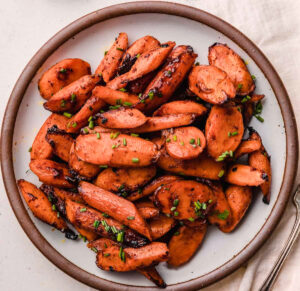 Honey Garlic Butter Roasted Carrots: The Perfect Side Dish You Need To Try Today