
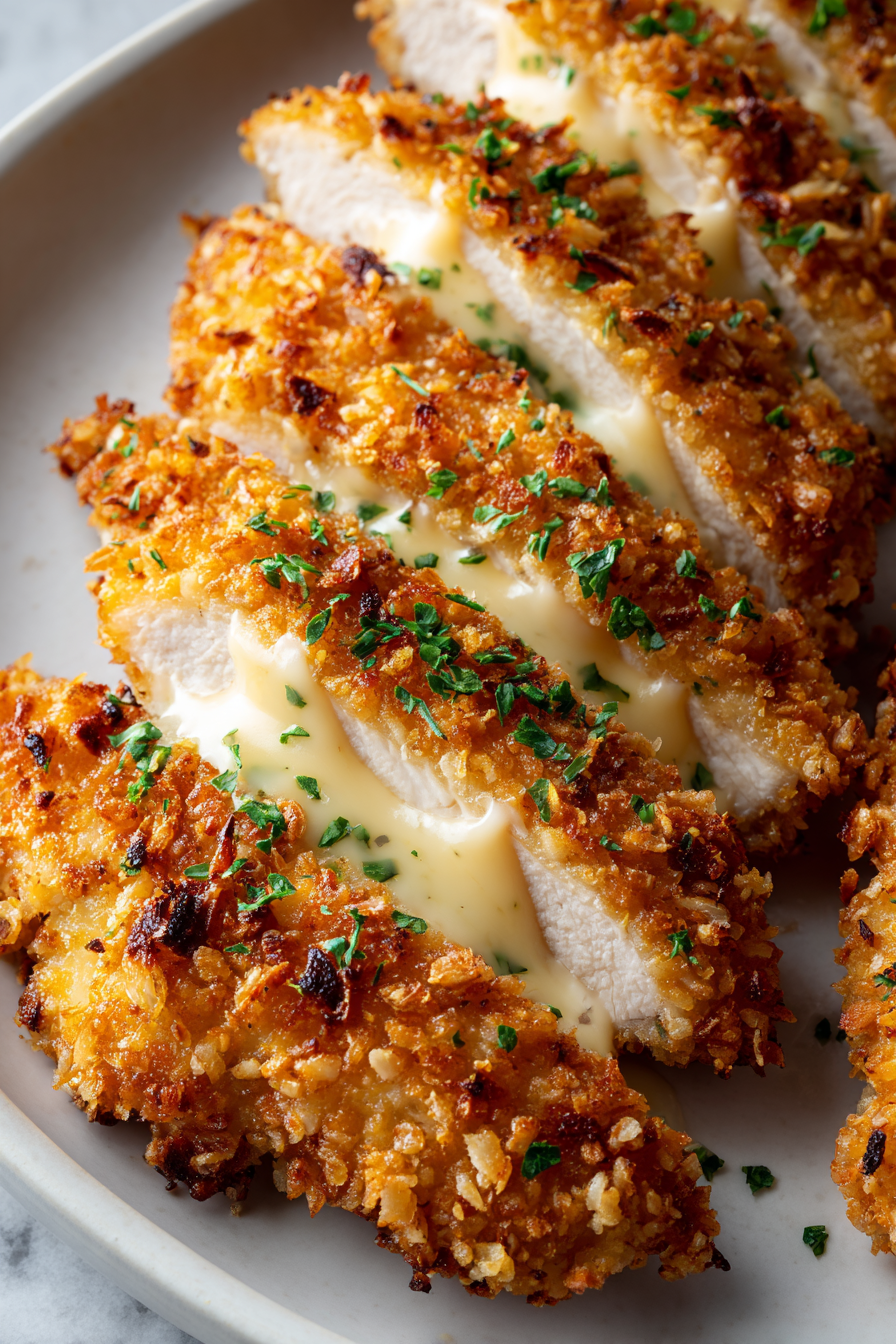

Why They’re Called “Crack” Chicken Tenders
Crack chicken tenders have earned their bold name for one simple reason – they’re absolutely addictive. This wildly popular recipe combines crispy, seasoned chicken tenders with a ranch-bacon-cheese flavor bomb that keeps people coming back for more. Once you try these irresistible tenders, you’ll understand why they’ve taken social media by storm and become a go-to recipe for families everywhere.
What Makes Crack Chicken Tenders So Special
These aren’t your average chicken tenders. The magic happens when crispy breaded chicken meets a creamy ranch coating loaded with crispy bacon and melted cheese. The combination creates layers of flavor and texture that hit every craving at once – savory, creamy, crunchy, and cheesy all in one bite. They’re incredibly easy to make, kid-approved, party-ready, and guaranteed to disappear from the plate faster than you can make them.
Essential Ingredients for Crack Chicken Tenders
For the Chicken Tenders:
- Chicken tenderloins or breast cut into strips
- All-purpose flour for dredging
- Eggs, beaten
- Panko breadcrumbs or regular breadcrumbs
- Parmesan cheese, grated
- Ranch seasoning mix (dry)
- Garlic powder and onion powder
- Paprika for color
- Salt and pepper to taste
- Cooking spray or oil for baking/frying
For the Crack Coating:
- Cream cheese, softened
- Sour cream or Greek yogurt
- Ranch dressing (prepared)
- Shredded cheddar cheese
- Cooked bacon, crumbled
- Green onions, chopped
- Garlic powder
- Salt and pepper
Optional Toppings:
- Extra bacon crumbles
- More shredded cheese
- Chopped chives or parsley
- Hot sauce for heat lovers
The combination of ranch, bacon, and cheese creates that signature “crack” flavor that makes these tenders impossible to resist.
How to Make Crack Chicken Tenders from Scratch
Step-by-Step Instructions:
- Prepare the chicken: Pat chicken tenderloins dry with paper towels. If using chicken breasts, slice them into tender-sized strips about 1-inch wide. Season lightly with salt and pepper.
- Set up breading station: Arrange three shallow bowls in a row. First bowl: flour seasoned with salt and pepper. Second bowl: beaten eggs with a splash of water. Third bowl: panko breadcrumbs mixed with grated Parmesan, ranch seasoning, garlic powder, onion powder, and paprika.
- Bread the tenders: Working with one tender at a time, coat in flour and shake off excess. Dip in egg, letting excess drip off. Finally, press into breadcrumb mixture, coating completely. Place breaded tenders on a wire rack or parchment-lined baking sheet.
- Cook the tenders: For baking, preheat oven to 400°F (200°C). Spray tenders lightly with cooking spray and bake for 18-22 minutes, flipping halfway through, until golden brown and internal temperature reaches 165°F (74°C). For frying, heat oil to 350°F (175°C) and fry for 4-5 minutes until golden and cooked through. For air frying, cook at 400°F (200°C) for 10-12 minutes, flipping halfway.
- Make the crack coating: While tenders cook, beat together softened cream cheese, sour cream, and ranch dressing until smooth and creamy. Fold in shredded cheddar cheese, crumbled bacon, and chopped green onions. Season with garlic powder, salt, and pepper to taste.
- Assemble: Once tenders are cooked and still hot, you have two serving options. Option 1: Toss hot tenders directly in the crack coating mixture for fully loaded tenders. Option 2: Serve tenders alongside the crack coating as a dipping sauce. Both methods are equally addictive.
- Garnish and serve: Top with extra bacon crumbles, shredded cheese, and fresh herbs. Serve immediately while hot and crispy for maximum deliciousness.
Baked vs. Fried vs. Air Fried – Which Method is Best?
Baked (Healthiest Option):
- Pros: Less oil, easier cleanup, hands-off cooking
- Cons: Slightly less crispy than fried
- Best for: Meal prep, weeknight dinners, health-conscious eating
- Tip: Spray with cooking oil for crispier results
Fried (Crispiest Option):
- Pros: Ultimate crispiness, restaurant-quality texture
- Cons: More oil, requires monitoring, messier
- Best for: Special occasions, indulgent treats
- Tip: Maintain oil temperature for even cooking
Air Fried (Best of Both Worlds):
- Pros: Crispy with minimal oil, quick cooking
- Cons: Cook in batches for even results
- Best for: Small batches, quick dinners
- Tip: Don’t overcrowd the basket
All three methods work beautifully – choose based on your equipment and preferences.
Expert Tips for the Crispiest Tenders
Pro Cooking Tips:
- Pat chicken completely dry before breading
- Let breaded tenders rest 10 minutes before cooking to help coating stick
- Don’t skip the Parmesan in the breading – it adds flavor and helps with crisping
- Use panko breadcrumbs for extra crunch
- Spray or brush tenders with oil when baking for golden color
- Don’t overcrowd the pan or air fryer basket
- Use a meat thermometer to avoid overcooking
- Let tenders rest 2-3 minutes after cooking before tossing in sauce
- Make sure cream cheese is fully softened for smooth coating
- Cook bacon until extra crispy for best texture
Delicious Variations and Flavor Twists
Creative Variations:
- Buffalo Crack Tenders: Add buffalo sauce to the cream cheese mixture
- Jalapeño Popper Style: Mix in diced jalapeños and use pepper jack cheese
- BBQ Bacon Ranch: Swirl BBQ sauce into the crack coating
- Pizza Flavored: Add Italian seasoning and use mozzarella cheese
- Loaded Potato: Add chives, sour cream, and extra cheese like a loaded baked potato
- Spicy Cajun: Season breading with Cajun spices and add hot sauce to coating
- Cheesy Garlic: Double the garlic and use three-cheese blend
- Honey Mustard Twist: Mix honey mustard into the crack coating
Making It Healthier Without Losing Flavor
Lightened-Up Options:
- Use Greek yogurt instead of sour cream
- Substitute light cream cheese for regular
- Bake instead of frying
- Use turkey bacon for less fat
- Make your own ranch with Greek yogurt base
- Use whole wheat breadcrumbs
- Reduce cheese amount slightly
- Add extra vegetables to the coating
- Serve with veggie sticks on the side
- Use air fryer for minimal oil
Even with modifications, these tenders remain incredibly satisfying and flavorful.
Perfect Serving Suggestions and Pairings
Side Dish Ideas:
- French fries or sweet potato fries
- Coleslaw for crunch and freshness
- Mac and cheese for ultimate comfort food
- Roasted vegetables or green beans
- Caesar salad
- Corn on the cob
- Mashed potatoes
- Onion rings
- Garlic bread
- Simple garden salad
Dipping Sauces (Beyond the Crack Coating):
- Ranch dressing
- Honey mustard
- BBQ sauce
- Buffalo sauce
- Blue cheese dressing
- Garlic aioli
- Sweet chili sauce
- Comeback sauce
Make-Ahead and Meal Prep Instructions
Prep-Ahead Strategies:
- Bread tenders up to 24 hours ahead and refrigerate
- Make crack coating 2-3 days ahead and refrigerate
- Cook tenders completely, refrigerate, and reheat in oven
- Freeze breaded uncooked tenders for up to 3 months
- Cook bacon ahead and store for quick assembly
Storage Guidelines:
- Refrigerate cooked tenders for up to 3 days
- Store crack coating separately from tenders to prevent sogginess
- Reheat tenders in oven at 350°F (175°C) for 10-15 minutes
- Don’t microwave if you want to maintain crispiness
- Freeze cooked tenders (without coating) for up to 2 months
Reheating for Best Results:
- Oven method: 350°F (175°C) for 10-15 minutes
- Air fryer: 350°F (175°C) for 5-7 minutes
- Toaster oven: Great for small batches
- Avoid microwave as it makes breading soggy
Perfect for Game Day and Parties
Crack chicken tenders are the ultimate party food:
- Easy to eat with hands – no utensils needed
- Can be made in large batches
- Appeal to both kids and adults
- Hold up well on buffet tables
- Can be served as appetizer or main dish
- Conversation starter with the bold name
- Perfect for tailgating
- Great for potlucks and gatherings
- Make them mini for easy appetizer portions
Kid-Friendly Appeal
These tenders are incredibly popular with kids:
- Familiar chicken tender format
- Mild ranch flavor that kids love
- Crispy coating they enjoy
- Fun to dip
- Not too spicy unless you add heat
- Let kids help with breading
- Serve with favorite dipping sauces
- Cut into nugget sizes for younger kids
- Add fun names to make eating exciting
Budget-Friendly Tips
Save Money Without Sacrificing Quality:
- Buy chicken in bulk and portion yourself
- Make your own ranch seasoning mix
- Use regular breadcrumbs instead of panko
- Buy bacon on sale and freeze
- Use store-brand cream cheese and sour cream
- Make larger batches and freeze portions
- Stretch with extra vegetables in coating
- Use whatever cheese you have on hand
- Skip expensive toppings
Restaurant-Quality Presentation
Make Them Instagram-Worthy:
- Arrange tenders on a rustic wooden board
- Serve crack coating in a small cast-iron skillet
- Garnish generously with fresh herbs and bacon
- Add lemon wedges for color
- Use parchment paper for casual appeal
- Stack tenders artfully rather than flat
- Drizzle extra ranch for visual interest
- Serve in individual baskets lined with parchment
- Add colorful vegetables as garnish
Common Mistakes to Avoid
What Not to Do:
- Don’t use wet chicken – pat it completely dry
- Avoid overcrowding when cooking
- Don’t skip seasoning each layer of breading
- Never add hot tenders to cold sauce – temperature matters
- Don’t make coating too thin or it won’t stick
- Avoid overcooking or tenders will be dry
- Don’t forget to let breading set before cooking
- Never skip the resting time after breading
- Don’t use cold cream cheese – it won’t mix smoothly
Frequently Asked Questions
Can I use chicken breasts instead of tenders? Absolutely! Cut chicken breasts into 1-inch strips. Cooking time may need slight adjustment based on thickness.
Can I make these gluten-free? Yes! Use gluten-free flour and breadcrumbs. Everything else in the recipe is naturally gluten-free.
How do I keep the breading from falling off? Pat chicken dry, let breaded tenders rest 10 minutes before cooking, and avoid moving them too much while cooking.
Can I make the crack coating dairy-free? Use dairy-free cream cheese, coconut yogurt, and vegan ranch. Skip the cheese or use dairy-free cheese.
What if I don’t have ranch seasoning? Make your own with dried dill, parsley, garlic powder, onion powder, salt, and pepper.
Can these be frozen after cooking? Yes, but freeze without the crack coating. Add coating after reheating for best texture.
How spicy are these? They’re mild by default. Add cayenne, hot sauce, or jalapeños if you want heat.
Why They’re Called “Crack” – The Psychology of Addictive Food
The name “crack” refers to how addictive these tenders are, combining multiple elements that make food irresistible:
- Fat (cheese, bacon, cream cheese)
- Salt (bacon, cheese, ranch seasoning)
- Crunch (crispy breading)
- Umami (Parmesan, bacon)
- Creamy texture contrast
This combination hits all the pleasure centers, making them genuinely hard to stop eating – hence the provocative name that’s become a cooking trend.
The Social Media Phenomenon
Crack chicken tenders went viral for good reasons:
- Memorable, attention-grabbing name
- Simple ingredients most people have
- Impressive results for minimal effort
- Highly photogenic
- Universal appeal across age groups
- Easy to customize
- Perfect for video tutorials
- Generates lots of engagement and shares
Scaling for Crowds
Feeding a Crowd:
- Recipe easily doubles or triples
- Use multiple baking sheets
- Work assembly-line style for efficiency
- Cook in batches if necessary
- Make extra crack coating – it disappears fast
- Consider using a deep fryer for large batches
- Set up a topping bar for customization
- Keep warm in a 200°F (95°C) oven
Conclusion
Crack chicken tenders live up to their bold name by delivering an irresistibly delicious combination of crispy, creamy, cheesy, and savory flavors in every bite. This recipe has taken the internet by storm because it’s genuinely that good – and surprisingly easy to make at home. Whether you’re feeding a family dinner, hosting game day, or meal prepping for the week, these addictive tenders deliver restaurant-quality results with minimal effort.
The beauty of this recipe lies in its flexibility. Bake them for a healthier option, fry them for maximum crispiness, or air fry for the best of both worlds. Customize the crack coating to your taste preferences, make them as mild or spicy as you like, and serve them however fits your occasion. From kids’ lunch boxes to adult parties, these tenders are universally loved.
Once you make crack chicken tenders, they’ll become a regular rotation in your kitchen. The combination of familiar comfort food elevated with that irresistible crack coating creates something special that keeps everyone coming back for more. Fair warning – you might want to double the batch because these disappear faster than you can imagine.
So grab your ingredients, fire up your oven or fryer, and get ready to experience why these chicken tenders have earned their addictive reputation. Your taste buds are about to understand why “crack” chicken tenders are called exactly that. Happy cooking, and prepare to be obsessed!
Related posts:
 Cucumber Ranch Crack Salad: The Addictively Delicious Recipe Everyone’s Obsessed With
 Crack Burgers: Your New Go-To Burger Recipe
 Crack Burgers Recipe – Juicy, Cheesy, And Totally Addictive
 Easy Canned Chicken Salad Recipe (Quick, Healthy & Delicious!)
 Cowboy Butter Chicken Linguine Recipe | Easy & Delicious Dinner Idea
 Delicious Garlic Butter Chicken And Potatoes Skillet Recipe